
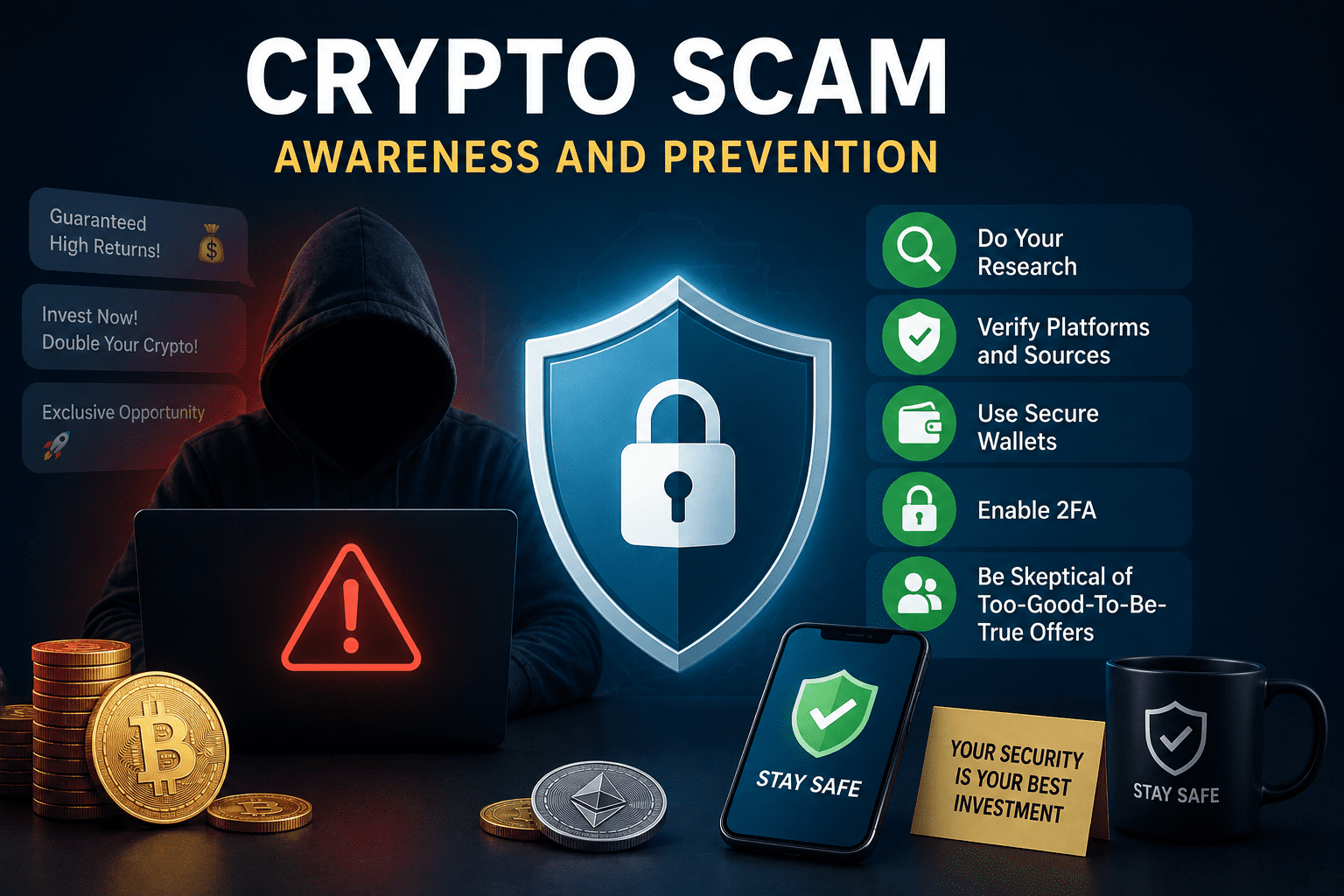
Cryptocurrency has opened up new financial frontiers — but it has also created a playground for fraudsters. Every year, billions of dollars are lost to crypto scams, and the tactics used by criminals are growing more sophisticated by the day. Whether you are a seasoned trader or a first-time investor, understanding how these scams work is the first line of defense against losing your money.
The Rise of Crypto Fraud
Cryptocurrency’s decentralized nature, while one of its greatest strengths, is also what makes it so attractive to scammers. Transactions are largely irreversible. Regulatory oversight is still catching up. And the promise of fast, life-changing profits makes investors emotionally vulnerable.
According to reports from global financial watchdogs, crypto fraud losses have surged dramatically over the past five years. Victims range from everyday retail investors to experienced professionals who were drawn in by convincing platforms, polished websites, and persuasive account managers.
Common Crypto Scam Tactics
Fake Trading Platforms: One of the most widespread methods involves fraudulent broker websites that mimic legitimate trading platforms. These sites allow users to deposit funds, show fabricated profits on a dashboard, and then refuse withdrawals when the investor tries to cash out. By the time the victim realizes something is wrong, the platform has vanished — or hides behind endless “verification” delays.
Pig Butchering Scams: This long-con tactic involves scammers building a genuine-seeming relationship with a victim over weeks or months — often through social media or dating apps. Once trust is established, the fraudster introduces a “great investment opportunity.” Victims are encouraged to deposit increasingly larger amounts until the scammer disappears entirely with the funds.
Impersonation and Celebrity Endorsements: Fraudsters frequently impersonate well-known investors, financial influencers, or even regulatory authorities to lend credibility to their schemes. Fake social media profiles, deepfake videos, and spoofed emails are commonly used tools. If a famous figure is personally reaching out to you about a hot crypto deal, treat it as an immediate red flag.
Pump and Dump Schemes: A group of bad actors artificially inflate the price of a low-value cryptocurrency through coordinated hype and misleading promotions. Once the price peaks and enough unsuspecting investors have bought in, the group sells their holdings and the price collapses — leaving ordinary investors with worthless tokens.
Rug Pulls: Common in the decentralized finance (DeFi) space, rug pulls occur when developers of a new crypto project suddenly abandon it and drain all liquidity after attracting investor funds. These projects often look legitimate with professional branding and detailed white papers.
Warning Signs Every Investor Must Know
- No verifiable regulation: Legitimate brokers and trading platforms are registered with financial authorities such as the FCA, ASIC, SEC, or CySEC. An absence of verifiable licensing is a serious concern.
- Guaranteed returns: No investment can guarantee profits. Any platform promising fixed daily or monthly returns is almost certainly a scam.
- Pressure to act fast: Scammers create artificial urgency to prevent victims from doing proper research.
- Withdrawal problems: Repeated delays, unexpected “fees,” or technical excuses when you attempt to withdraw funds are classic signs of a fraudulent platform.
- Anonymous team: Legitimate projects have transparent, verifiable teams. If you cannot find real information about who runs a platform, walk away.
What to Do If You Have Been Scammed?
Time is critical. If you suspect you have fallen victim to a crypto scam, stop all further deposits immediately. Document everything — screenshots, transaction records, emails, and any communication with the platform. Report the fraud to your national financial regulator and, where possible, to the platform’s payment processor.
Seek guidance from a trusted fraud investigation resource. Victims often feel isolated and unsure of their options, but professional consultation can help clarify what recovery steps are available and what evidence is needed to build a case.
Stay Informed, Stay Protected
The best protection against crypto fraud is knowledge. Research every platform before depositing a single rupee or dollar. Verify regulatory credentials independently, never through links provided by the platform itself.
If you have encountered a suspicious platform or believe you have been targeted by a crypto scam, visit FairTradeReviews for a free consultation. FairTradeReviews investigates unregulated and fraudulent financial platforms, helping victims understand their situation and exposing scammers so others don’t fall into the same trap. Don’t stay silent — your report could protect someone else.
Leave a Reply