
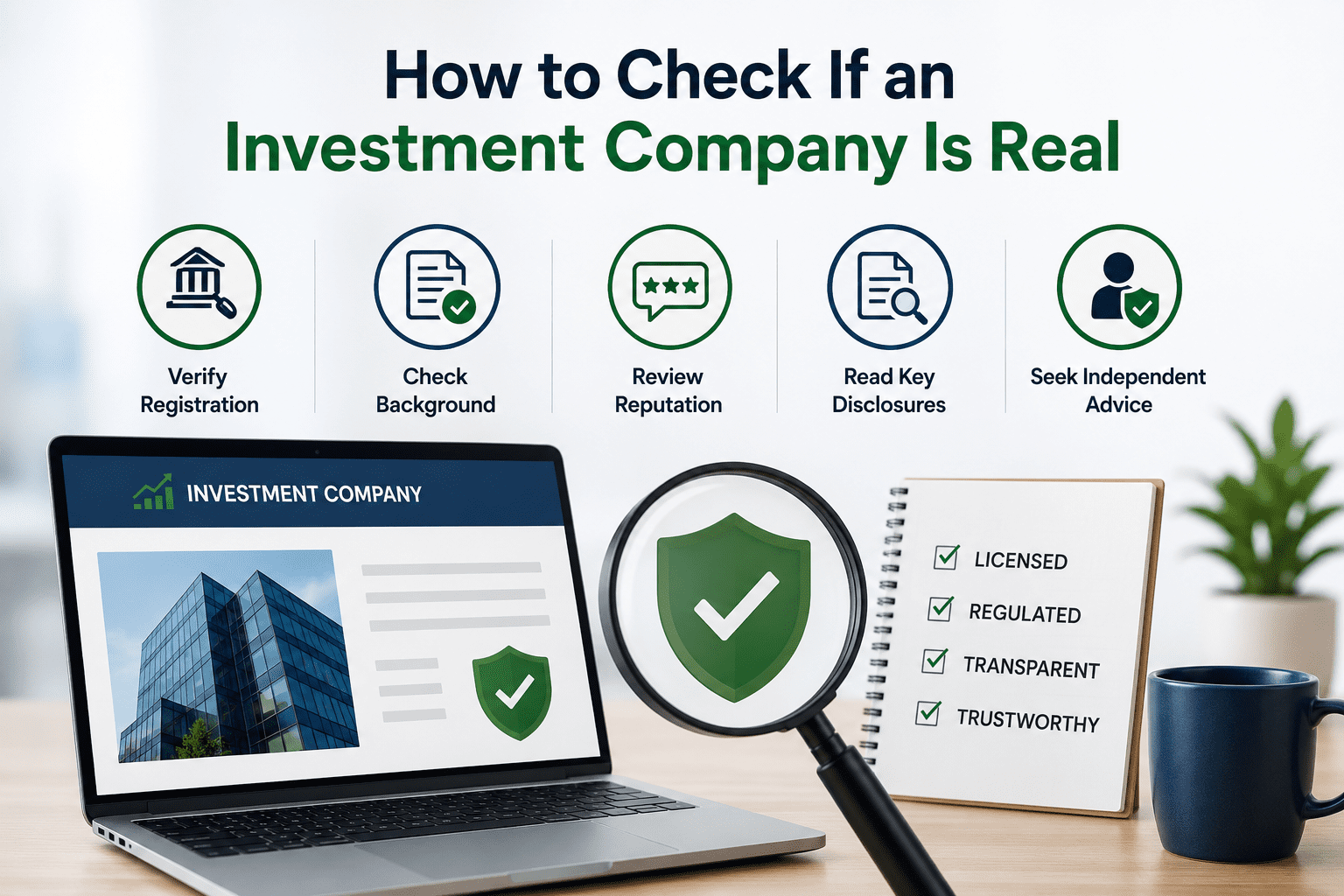
The promise of high returns and passive income makes investment platforms attractive — and that’s exactly what fraudsters exploit. Every year, thousands of investors lose money to fake or unregulated investment companies that vanish the moment withdrawals are requested. Before you trust any platform with your money, you need to verify it. Here’s how.
1. Check Regulatory Registration
The first and most important step is verifying whether the company is registered with a recognized financial regulator. Legitimate investment firms are licensed and monitored by official authorities such as:
- The Financial Conduct Authority (FCA) in the UK
- The Securities and Exchange Commission (SEC) in the USA
- The Australian Securities and Investments Commission (ASIC) in Australia
- The Central Bank of Russia (CBR) or its equivalent in other regions
Each of these regulators maintains a public database where you can search by company name, registration number, or website. If the company doesn’t appear — or appears with a warning — treat that as a serious red flag. An unregulated platform has no legal obligation to protect your funds.
2. Look for a Physical Address and Verifiable Contact Information
A real investment company has a registered office address, a working phone number, and a professional email domain — not a free Gmail or Yahoo account. Search for the address on maps. Call the phone number. If the address is a virtual office or the number goes unanswered, be suspicious. Fraudulent platforms often list fake headquarters in financial hubs like London, New York, or Zurich to appear credible.
3. Investigate the Website
Check the website’s domain registration date using a WHOIS lookup tool. Scam investment sites are often only a few months old despite claiming years of operation. Look for:
- Spelling and grammar errors in legal documents
- Missing or unclickable Terms & Conditions pages
- No verifiable company registration number
- SSL certificate issues or a non-HTTPS domain
A professional website alone means nothing — fraudsters build convincing sites. What matters is whether the information on the site can be independently verified.
4. Search for Third-Party Reviews and Warnings
Search the company name alongside terms like “scam,” “review,” “warning,” or “fraud.” Check independent watchdog sites, financial news publications, and regulator warning lists. Multiple regulators regularly publish public alerts about platforms they have not authorized or that are actively defrauding investors.
Be wary of review platforms where all feedback is overwhelmingly positive with no critical responses — this pattern is often the result of fake or paid reviews. Genuine companies have a mixed and traceable review history.
5. Scrutinize the Returns They Promise
No legitimate investment company guarantees fixed high returns with zero risk. If a platform promises 20%, 50%, or 100% monthly profits with no downside, it is almost certainly operating a Ponzi scheme or outright fraud. Real investment involves market risk, and any company that claims otherwise is misrepresenting the nature of financial markets.
6. Test Withdrawals Early
If you have already deposited funds, request a small withdrawal before committing more money. Fraudulent platforms frequently approve deposits without issue but create endless delays, demand extra “taxes” or “fees,” or simply stop responding when you try to withdraw. A company that obstructs your access to your own money is not legitimate.
7. Verify the People Behind the Platform
Check whether the executives and advisors listed on the website are real people with a verifiable professional history. Search their names on LinkedIn, news databases, and regulatory records. Many scam platforms use stock photos, stolen identities, or entirely fictitious team members.
What to Do If You have Already Been Defrauded?
If you’ve discovered that an investment company you trusted is fake or unregulated, act quickly. Stop all further deposits, document every transaction and communication, and report the platform to your national financial regulator. Do not engage with “recovery agents” who contact you after a loss — this is a common follow-up scam.
For a free consultation, visit FairTradeReviews. The platform provides detailed investigations into unregulated and fraudulent brokers and helps victims understand their options. FairTradeReviews has documented hundreds of deceptive investment platforms and can help you assess whether the company you’re dealing with is operating legally.
Leave a Reply