
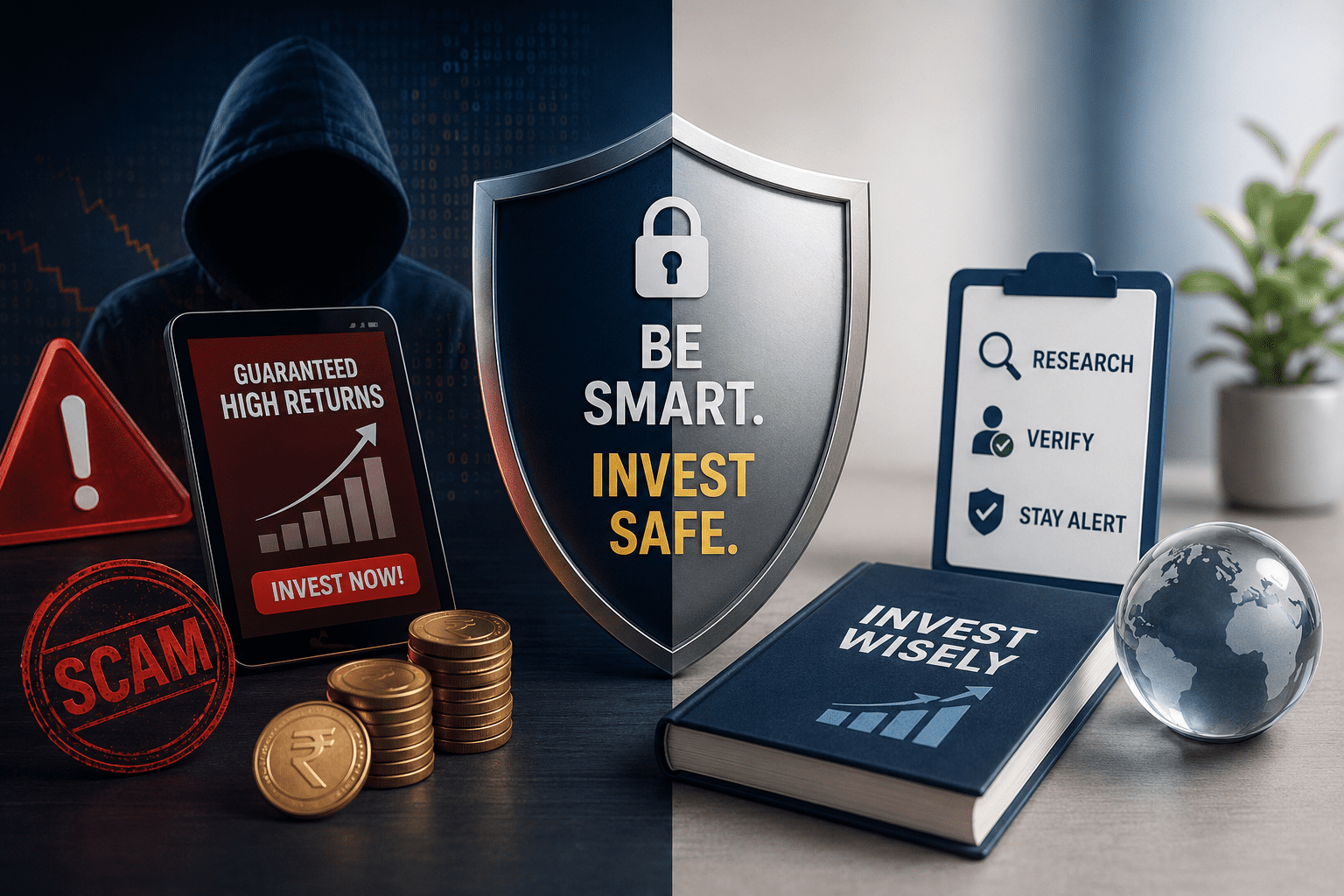
Every year, millions of people lose their hard-earned savings to investment fraud and securities scams. From fake trading platforms to fraudulent brokers operating without regulatory oversight, financial crime has evolved into a sophisticated, borderless industry targeting both novice investors just entering the market and seasoned professionals alike.
Understanding how these scams work is the first step toward protecting yourself.
The Scale of the Problem
Investment fraud is not a niche crime. Regulators like the U.S. Securities and Exchange Commission (SEC), the Financial Conduct Authority (FCA) in the UK, and Australia’s ASIC issue hundreds of warnings every year against unregistered brokers, clone firms, and fraudulent investment schemes. Despite these efforts, losses amount to billions of dollars globally — and the numbers continue to rise, largely because scammers continually evolve their tactics to stay ahead of enforcement.
Common Types of Investment Fraud
Ponzi and pyramid schemes remain among the most prevalent forms of investment fraud. They promise high, consistent returns and pay early investors using money from newer recruits — until the structure collapses. By the time victims realize what happened, the perpetrators are long gone.
Fake forex and crypto trading platforms are another dominant threat. These platforms mimic legitimate brokers, often using professional-looking websites, fabricated testimonials, and even false regulatory credentials. Victims deposit funds, watch fictitious “profits” pile up on a dashboard, and then find themselves locked out when they try to withdraw.
Binary options fraud, pump-and-dump stock schemes, and advance-fee scams round out the list of common tactics. In advance-fee fraud, victims are asked to pay upfront “fees” or “taxes” to release supposed winnings — money that disappears immediately.
Red Flags to Watch For
Recognizing warning signs early can save your savings. Be cautious of:
Guaranteed returns — No credible investment can guarantee a profit. Any broker or platform that says different is most likely lying. Markets are risky.
Unregistered or unverifiable brokers — Always confirm that a broker is registered with a recognized regulator before depositing any funds. If a company’s registration cannot be independently verified, treat that as a serious warning sign.
Pressure tactics — Fraudulent operators frequently create urgency, pushing victims to invest immediately before a “limited opportunity” closes. Legitimate investment professionals respect your right to take time and do due diligence.
Difficulty withdrawing funds — This is one of the clearest signals of fraud. If a platform delays, adds hidden charges, or denies withdrawal requests, your money is likely already gone.
Anonymous ownership — Scam brokers rarely disclose who runs the company, where they are registered, or which jurisdiction covers complaints. The deliberate absence of this information is a red flag, not an oversight.
What to Do If You Have Been Scammed?
If you suspect you have fallen victim to an investment scam, act quickly. Stop all further deposits immediately — fraudsters often pressure victims into sending more money under the guise of “releasing” existing funds. Document everything: screenshots, transaction records, emails, and communication logs.
Report the fraud to your national financial regulator and local law enforcement. While recovery is not always guaranteed, reporting helps build cases against these operations and can protect others.
Seek professional guidance from a qualified fraud consultant who specializes in financial recovery. Avoid “recovery scammers” — a secondary fraud where criminals pose as recovery services, targeting people who have already been victimized once.
Due Diligence Is Non-Negotiable
Before trusting any platform with your money, research its regulatory standing. Cross-reference the broker’s name against warning lists published by the FCA, SEC, ASIC, and other regulators. Look for independent reviews — not testimonials hosted on the platform’s own website.
Transparency is the baseline expectation for any legitimate financial service provider. A regulated, credible broker will always be willing to share its license number, company registration, and complaint procedures. If any of this information is missing or impossible to verify, walk away.
Have You Been Targeted by a Fraudulent Broker?
If you have lost money to an unregulated or suspicious financial platform, you do not have to face it alone. FairTradeReviews provides free consultations, investigates unregulated brokers, and helps victims understand their options. Visit fairtradereviews.com to read more about scams, read verified broker warnings, or request your free consultation today.
Leave a Reply